Quick answer
To reduce hair fall at home, massage a herbal oil blend into your scalp for about 5 minutes 2 to 3 times a week and wash it out within a day, use lukewarm water and a mild shampoo, detangle with a wide tooth comb, avoid tight hairstyles and heat, and eat enough protein and iron. Losing 50 to 100 hairs a day is normal. Give any routine 2 to 3 months, and see a dermatologist if hair falls in clumps or patches.
If you are finding hair on your pillow, in the bathroom drain and all over your comb, you are not alone. Hair fall is one of the most searched beauty problems in Pakistan, from Karachi and Lahore to Peshawar, Quetta and every small town in between. The good news is that a lot of everyday hair fall comes from things you can change at home: the water you wash with, how you oil and comb, what you eat, how much you sleep and how you tie your hair.
This guide explains, in simple words, why hair falls, how much hair fall is normal, which home remedies are worth trying, how to build a weekly routine that actually helps, and when you should stop experimenting and see a dermatologist. It is written for Pakistani men and women, with our weather, our water and our habits in mind.
How much hair fall is normal?
Every hair on your head has a life cycle. It grows for a few years, rests for a few months and then falls out so a new hair can grow from the same root. Because of this cycle, losing roughly 50 to 100 hairs a day is considered normal by dermatologists. On wash days the number looks bigger because loose hairs from the last two or three days all come out together.
So when should you worry? Look out for these signs:
- Your ponytail or choti feels noticeably thinner than it did six months ago.
- Your parting (maang) looks wider, or the scalp shows through at the crown.
- Men notice the hairline moving back at the temples, or a thin patch on top.
- Hair is coming out in clumps, or you see round, smooth bald patches.
- Hair fall started suddenly and heavily, two or three months after an illness, surgery, high fever, delivery or a big shock.
The first three are common and often respond to better care and time. The last two are reasons to see a doctor, which we cover at the end of this article.
Common causes of hair fall in Pakistan
Hair fall almost never has just one cause. Usually two or three small things add up. Here are the ones we hear about most often from customers across Pakistan.
1. Hard water and boring water
Many cities in Pakistan, especially areas that depend on boring (groundwater), have hard water full of minerals like calcium and magnesium. Hard water leaves a film on the scalp and hair, makes shampoo lather poorly, and leaves hair rough and tangled. Tangled hair breaks when you comb it, and that breakage looks like hair fall. Chlorine in supply water can also dry the hair out.
2. Weather: heat, humidity and dry winters
Long hot summers mean sweat and oil build up on the scalp, especially under a cap, helmet, dupatta or hijab. Winters in Punjab, KPK and the north are dry, and gas heaters and hot showers dry the scalp further. Both extremes stress the hair. We have a separate guide on winter hair care in Pakistan if your hair fall gets worse in the cold months.
3. Diet and nutrition
Hair is made of protein (keratin), and the roots need iron, zinc, vitamin D, B vitamins and enough calories to keep growing. Crash diets, skipping meals, very low protein intake and low iron are common reasons for thin, weak hair, especially among women. Vitamin D deficiency is also widespread in Pakistan, even though we have plenty of sunshine, because many people spend most of the day indoors.
4. Stress and poor sleep
Exams, job pressure, family stress and late nights on the phone all show up in your hair. A stressful event can push many hairs into the resting phase at once, and two to three months later they shed together. This is temporary and usually settles once the stress is over and sleep is back to normal.
5. After pregnancy (postpartum hair fall)
Many new mothers notice heavy hair fall around two to four months after delivery. During pregnancy hair stays in the growing phase longer, and after birth it sheds all together. It is frightening but very common, and for most women it settles within a year. Gentle care, good food and regular scalp massage make this period easier to get through.
6. Hair habits: tight hair styles, rough combing and heat
A tight choti or ponytail every day, pulling hair back under a tight scarf, combing wet hair hard with a fine comb, rubbing hair with a towel, and daily straighteners or blow dryers all cause breakage. Over the years, constant pulling at the hairline can even cause the hairline to thin.
7. Dandruff and an unhealthy scalp
An itchy, flaky scalp makes you scratch, and scratching damages hair at the root. A scalp that is never cleaned properly, or one covered in thick oil for days, can also feel heavy and itchy.
8. Genetics and hormones
Male pattern baldness and female pattern hair loss run in families and are linked to hormones. Thyroid problems and PCOS can also cause hair fall. These need a doctor. Home care supports your hair, but it cannot change your genes or fix a hormone problem.
Home remedies for hair fall that are worth trying
Pakistani homes have used desi nuskhay for hair for generations. Some are helpful mainly because they make you take care of your scalp regularly; others are simply soothing. None of them work overnight. Pick two or three, stay consistent for at least two to three months, and judge the results by how your hair feels and how much breaks off when you comb.
Regular oil massage (tail ki maalish)
This is the most important one. Warm a little oil, part your hair and massage it into the scalp with your fingertips (not your nails) for about five minutes. Massage relaxes you, brings blood flow to the scalp and spreads the oil to the roots, while oil on the lengths reduces friction and breakage. Do it two to three times a week, leave it on for one to two hours or overnight, then wash with a mild shampoo. Our full step by step method is in how to oil your hair the right way.
Which oil? A blend usually works better than a single oil. Castor oil is thick and coats the hair well, coconut and sesame (til) oil are light and moisturising, almond (badam) oil softens, and kalonji (black seed) oil is a traditional favourite for the scalp. Herbs like amla, bhringraj, shikakai and brahmi have been infused into hair oils in our region for centuries.
Onion juice
Onion juice is a popular nuskha for hair fall in Pakistan. Grate one onion, squeeze the juice through a cloth, apply it to the scalp with cotton, leave it for 20 to 30 minutes and wash it off. The smell is strong, and it can sting or irritate sensitive skin, so do a patch test on your arm first and do not use it on broken or very itchy skin. Once a week is enough.
Aloe vera gel
Fresh aloe vera (ghee kawar) gel straight from the leaf is cooling and soothing on a hot, itchy scalp in summer. Apply it to the scalp for 30 minutes before washing. Many people mix a spoon of aloe gel with their hair oil for a lighter feel.
Egg and yoghurt mask
An egg mixed with two spoons of plain yoghurt (dahi) makes a simple protein mask for dry, rough hair. Apply it to the lengths, leave it for 20 minutes and rinse with cool water (hot water cooks the egg and makes it hard to wash out). This mainly improves softness and reduces breakage rather than stopping hair fall from the root.
Methi dana (fenugreek seeds)
Soak two spoons of methi dana overnight, grind into a paste and apply to the scalp for 30 minutes. It is a traditional conditioning mask. Rinse well, as the seeds leave a smell and small bits in the hair.
Amla
Amla (Indian gooseberry) is one of the oldest hair herbs in South Asian care. It is used in oils, in powders mixed with water as a mask, and eaten as murabba. Amla powder can darken light hair slightly, so test it if you have coloured hair.
Patch test first
Any new oil, mask or remedy can irritate some people. Apply a little behind your ear or on the inside of your elbow and wait 24 to 48 hours before putting it on your whole scalp.
A simple weekly routine to reduce hair fall
Remedies work best inside a steady routine. Here is a simple plan that suits most Pakistani hair types. Adjust it for your hair length and how oily your scalp gets.
| Day | What to do |
|---|---|
| Day 1 | Oil massage at night (5 minutes), leave overnight. Sleep with hair loosely tied. |
| Day 2 | Wash with a mild shampoo and lukewarm water. Condition the lengths. Pat dry, do not rub. |
| Day 3 | Rest. Detangle gently with a wide tooth comb, starting from the ends. |
| Day 4 | Oil massage, 1 to 2 hours before bath or overnight. |
| Day 5 | Wash. Optional: aloe vera or yoghurt mask before washing. |
| Day 6 and 7 | Rest, or a third oiling if your hair is very dry. |
Some extra habits that make a real difference:
- Lukewarm water, not hot. Very hot water dries the scalp. Finish with a cool rinse.
- Wide tooth comb. Comb from the ends upwards, and never comb dripping wet hair hard.
- Soft ties. Use cloth scrunchies, avoid tight rubber bands and do not tie hair tightly while it is wet.
- Cotton or silk pillow cover. Smooth fabric means less friction at night.
- Clean scarf and caps. Wash dupattas, hijabs and caps often, especially in summer.
- Less heat. Keep straighteners and blow dryers for special occasions, on low heat, with a heat protectant.
- Filter if you can. A shower filter, or a final rinse with filtered or boiled and cooled water, helps in hard water areas.
What to eat for stronger hair
You cannot oil your way out of a poor diet. The good news is that ordinary Pakistani food has everything your hair needs, as long as you eat enough of it and keep it balanced.
- Protein at every meal: eggs, daal, chanay, lobia, chicken, fish, mutton, yoghurt, milk and paneer.
- Iron: palak (spinach), saag, daal, chanay, kaleji, red meat and dates. Eat them with lemon or a fruit for vitamin C, which helps the body absorb iron.
- Healthy fats: walnuts (akhrot), almonds (badam), flaxseed (alsi), fish and a moderate amount of desi ghee.
- Zinc and seeds: pumpkin seeds (kaddu ke beej), chickpeas and whole grains.
- Fruit and vegetables: amrood (guava), kinnu, carrots and seasonal sabzi for vitamins A and C.
- Water: drink enough, especially in summer and when the heater is on in winter.
- Sunshine: 15 to 20 minutes of morning sun on your arms and face helps your body make vitamin D.
If you think you are low in iron or vitamin D, ask your doctor for a simple blood test before starting supplements. Taking high doses without knowing your levels is not a good idea.
Mistakes that make hair fall worse
- Leaving oil in for days. Oil left on the scalp for two or three days collects dust and sweat and can make the scalp itchy. Wash it out within a day.
- Using too much oil. A little oil massaged well works better than a cup poured on the head. You then need harsh shampoo to wash it out.
- Changing products every week. Hair takes months to show change. Give a routine at least eight to twelve weeks.
- Very hot oil. Oil should be warm, not hot. Test it on the inside of your wrist.
- Scratching the scalp with nails during massage or when it itches.
- Believing miracle claims. No oil can bring back hair on a completely bald, shiny scalp. Be careful of anyone who promises that.
How to choose a hair oil for hair fall
When you buy a hair oil in Pakistan, check these points on the bottle:
- The full ingredient list is printed on the label, so you know what you are putting on your scalp.
- A base of real oils like castor, coconut, sesame, almond, olive or kalonji, not mineral oil (liquid paraffin).
- Traditional herbs such as amla, bhringraj, shikakai, brahmi, hibiscus and moringa.
- No bright artificial colour or heavy perfume.
- Honest claims: “helps reduce hair fall” is realistic; “regrows hair in 7 days” is not.
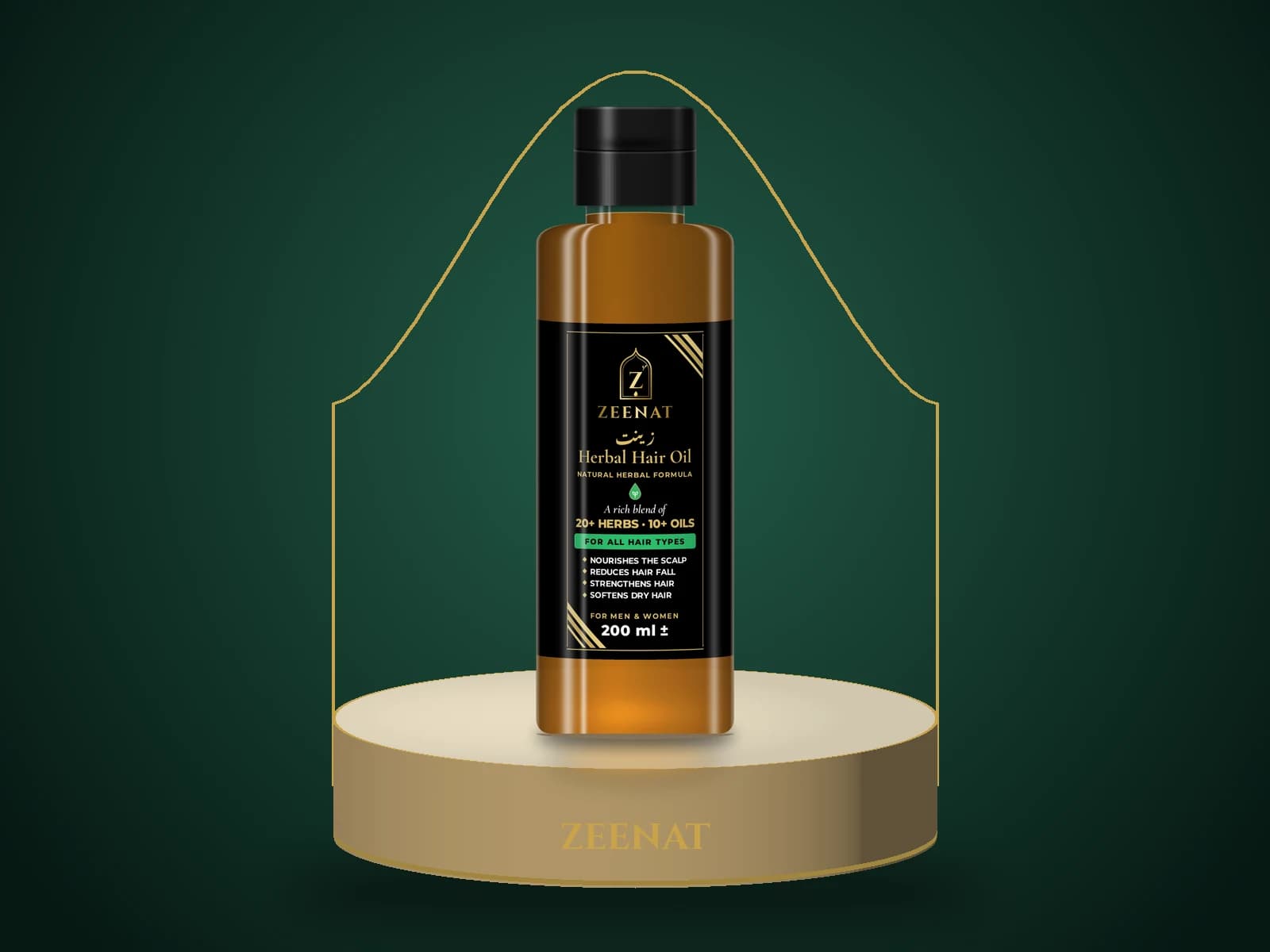
We compare popular options in our guide to the best herbal hair oil in Pakistan. Zeenat Herbal Hair Oil is our own blend of 20+ herbs in 10+ oils with every ingredient printed on the label, and it helps reduce hair fall and breakage with regular use. Since a routine needs a few months, many customers take the 2 Bottle Deal or 3 Bottle Deal so they do not run out halfway.
When to see a doctor
Home care is a good first step, but please see a dermatologist (skin specialist) if:
- Hair is falling in clumps, or you notice round bald patches.
- Hair fall is very heavy and has not improved after three months of good care.
- Your scalp is red, painful, oozing, or has thick scales.
- You also have other symptoms such as tiredness, weight changes, irregular periods, or feeling cold all the time.
- You are a young man with a fast receding hairline and want to act early.
A doctor can check for iron deficiency, thyroid problems, PCOS, scalp infections and pattern hair loss, and can suggest treatments that a cosmetic hair oil cannot provide. You can keep oiling alongside medical treatment if your doctor agrees.
The bottom line
Most everyday hair fall in Pakistan comes from a mix of hard water, weather, rough handling, stress and diet. You can reduce it at home with a steady routine: oil massage two to three times a week, gentle washing with lukewarm water, a wide tooth comb, loose hairstyles, protein and iron in your food, and enough sleep. Give it two to three months before judging. If hair fall is sudden, patchy or very heavy, see a dermatologist.
Frequently asked questions
How can I stop hair fall at home naturally?
You can reduce everyday hair fall at home with regular oil massage 2 to 3 times a week, gentle washing with lukewarm water, a wide tooth comb, loose hairstyles, less heat styling and a diet with enough protein and iron. Most routines take 2 to 3 months to show a difference. Sudden or patchy hair loss needs a dermatologist.
How many hairs fall in a day is normal?
Losing about 50 to 100 hairs a day is considered normal. On wash days it can look like more because hairs that were already loose come out together.
Which oil is best for hair fall in Pakistan?
A blend usually works better than a single oil: castor and kalonji oil for the roots, coconut, sesame and almond oil for moisture, with herbs like amla, bhringraj, shikakai and brahmi. Zeenat Herbal Hair Oil is made this way and helps reduce hair fall and breakage with regular use.
Does onion juice help hair fall?
Onion juice is a popular traditional remedy. Apply it to the scalp for 20 to 30 minutes once a week and wash off. It can irritate sensitive skin, so do a patch test first.
Is hair fall after delivery normal?
Yes. Many women notice heavy shedding 2 to 4 months after giving birth. It is very common and usually settles within a year. Gentle care, good food and scalp massage help, and a doctor can check iron levels if it feels severe.
Can hard water cause hair fall?
Hard water leaves minerals on the hair and scalp, making hair rough and tangled so it breaks more easily when combed. A shower filter or a final rinse with filtered water, plus regular oiling, helps.
This article is general hair care information, not medical advice. For heavy, sudden or patchy hair loss, or a painful scalp, please see a dermatologist. Zeenat Herbal Hair Oil is a cosmetic product; results vary from person to person.